
"dry fermentation"
5000 article(s) found
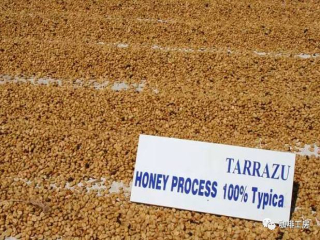
What are the steps in the process of coffee and bean honey treatment? What is the difference in flavor and taste between washing and sun treatment?
Professional coffee knowledge exchange more coffee bean information please follow the coffee workshop (Wechat official account cafe_style) coffee bean honey processing process? What are the steps of coffee and bean honey treatment? What's the difference between washing and tanning? Treatment can be divided into three categories: dry treatment, wet treatment and semi-dry treatment.

A special coffee bean treatment method, secondary fermentation treatment method
Communication of professional baristas Please follow the coffee workshop (Wechat official account cafe_style) the secondary fermentation method Milky-way Double Soaked is to soak the beans into the fermentation tank twice for 12-24 hours each time. In the two soaks, the beans were fermented and washed by water, leaving no organic matter behind. After the second fermentation, the beans flow through the canal and further separate.
On the treatment of Milky-way Double Soaked by secondary fermentation
Communication of professional baristas Please follow the coffee workshop (Wechat official account cafe_style) the secondary fermentation method Milky-way Double Soaked is to soak the beans into the fermentation tank twice for 12-24 hours each time. In the two soaks, the beans were fermented and washed by water, leaving no organic matter behind. After the second fermentation, the beans flow through the canal and further separate.
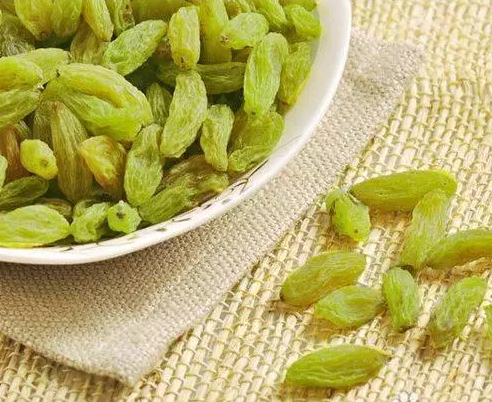
How exactly is raisin honey treated? Orange honey treatment? CO2 yeast?
Professional barista communication, please pay attention to coffee workshop (Weixin Official Accounts cafe_style) coffee fruit raisin honey treatment exactly how to deal with? At present, I understand the process flow is [double fermentation honey treatment], that is, first the coffee fruit is dried into raisins, then the peel honey treatment fermentation, the fermentation flavor will be more intense, and pectin preservation than other

How to produce Yunnan Coffee
Professional coffee knowledge exchange more coffee bean information please follow the coffee workshop (Wechat official account cafe_style) Yunnan small grain coffee fresh fruit picking and initial processing washing treatment steps Yunnan coffee fresh fruit harvest, generally divided into three batches of harvest period: the end of October to mid-December for precocious fruit, less yield; mid-December to the end of January is the coffee fruit concentrated ripening period, this batch of coffee total

The difference between washed Coffee and Sun-cured Coffee; introduction to the characteristics of taste and quality
The difference between washed coffee and sun-cured coffee flavor description taste quality characteristics introduction 1. The process of natural solarization (Natural/Dried-in-the-Fruit) is the simplest. The fruit begins the process of sun drying without treatment after picking. This is the oldest method of treatment in existence. This method is still used in places such as Ethiopia and Brazil. Natural day

What's the difference between washed coffee beans and sun-dried coffee beans? How to make a difference when coffee beans are ground into powder?
Professional coffee knowledge exchange more coffee bean information please follow the coffee workshop (Wechat official account cafe_style) do you know? Coffee, known as the black gold industry, can consume 500 billion cups a year! The world produces about 8.4 billion kilograms of coffee beans every year, trading futures volume is second only to oil, higher than all staple grains, the output value is quite amazing. In Taiwan, the average person per person
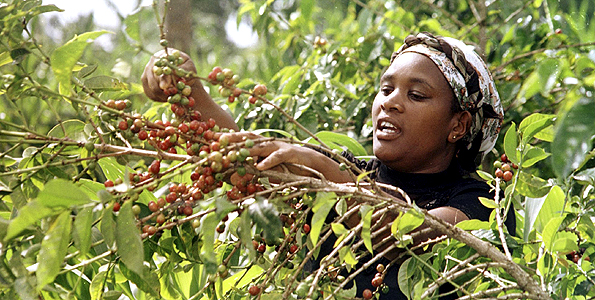
Coffee from fruit to raw bean dry washing semi-washing refined Colombian coffee beans
Coffee changes from fruit to raw bean there is a pair of oval seeds in the middle of the fruit, which are covered with outer skin, inner pulp and pulp. Ripe fruit spoils in a short time without treatment. Refining is to remove the skin and pulp of the coffee fruit, and then take out the seeds. Generally speaking, about 1 kg of raw coffee beans can be obtained from 5 kg of coffee fruit. The refining methods include drying and washing.

Coffee beans dried, semi-dry, wet and honey-treated coffee beans fermented high-quality coffee
Boutique coffee (specialty coffee) is also called specialty coffee selection coffee. It refers to coffee made from a small number of raw beans with excellent taste grown in an ideal geographical environment. Depending on the special soil and climatic conditions in which they grow, they have outstanding flavor. After strict selection and classification, this kind of coffee is hard in texture, rich in taste and stylish.
Dry treatment (natural full sun treatment), wet treatment (water washing and fermentation), semi-washing of coffee beans
Dry treatment (secado), also known as natural all-day exposure (natural). After the coffee fruit is actually picked, it is dried directly in the sun. According to the weather conditions, it is generally necessary to dry the coffee beans for 2 weeks to reduce the water content of the coffee beans to 10%, 12%, and then use a machine to remove the dried peel and pulp. The raw bean processing plant (beneficio) usually retains the parchment paper shell (par) on the outside of the coffee bean when the raw bean is stored.
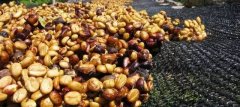
What is "Honey Process"?
Http://blog.seattlecoffeeworks.com/roastery/earth-honey-process/ do you know where coffee comes from? Today, we have carefully prepared this article for your readers. The article gives a rough account of how coffee beans change from fruit to mellow coffee. Among them, we focus on the raw bean treatment process of coffee, as well as

The processing method in coffee beans what is the Italian processing process and the special characteristics of the finished product flavor description?
Coffee treatment: let's analyze each raw bean treatment method one by one: 1. The process of natural solarization (Natural/Dried-in-the-Fruit) is the simplest. The fruit begins the process of sun drying without treatment after picking. This is the oldest method of treatment in existence. This method is still used in places such as Ethiopia and Brazil. Natural day

Advantages and disadvantages of sun-drying, water-washing, semi-water washing, wet planing, anaerobic and barrel fermentation of coffee beans
Why do you deal with coffee beans? Coffee beans are the seeds of coffee cherries, so we have to remove the peel, pulp, pectin layer and endocarp before we can get the coffee beans. at this time, the coffee beans are raw beans, often white, emerald green or yellow. it turns into coffee-colored ripe beans after baking. And what I just mentioned to go

Coffee picking and handling-Kenya Coffee picking season
Coffee picking and handling-the key to ensuring coffee quality during the Kenyan coffee picking season is to stop fermentation at the right time, as excessive fermentation can lead to the emergence of so-called smelly coffee beans. If the fermentation is insufficient or too slow, butyric acid or propionic acid will be produced, both of which will adversely affect the quality of coffee. The fermented coffee with skin needs to be finished after the fermentation process is completed.

How Coffee processing and fermentation affect the Flavor of Coffee introduction to traditional Coffee processing
Many coffee drinkers experience the bumps of the morning without thinking about it. But coffee is much more complicated than throwing crushed things into the machine and getting to work. In fact, coffee starts with a fruit called cherry, whose seeds are removed, dried and fermented to become coffee beans. Then bake them.

Coffee knowledge: introduction to the anatomy of coffee fruit and the grade of honey treatment
1. Coffee fruit anatomy map Coffee fruit is divided into five layers, as shown in the figure: these five layers are: 1. Skin/Pulp: the outermost layer of coffee beans is covered with berry-like skin and pulp. In addition to the natural sun method, coffee beans treated by other methods must remove the skin and flesh within a few hours after picking. Similar to it is the cherry we often eat, but different

Coffee flavor and raw bean treatment are different from water washing and wet planing red wine.
Coffee beans are the seeds of coffee fruit, which is also called coffee cherry. After removing the exocarp and pulp of the coffee fruit, you will get two coffee seeds, that is, coffee raw beans. Coffee fruit is easy to rot when ripe and picked, so it should be dealt with in time to facilitate storage and transportation. [washing treatment] removal of pulp pectin washing treatment, also known as water

The fermentation methods and results of sun exposure and water washing are very different, resulting in different flavors of coffee.
Professional coffee knowledge exchange for more information about coffee beans, please follow the coffee workshop (Wechat official account cafe_style) washing. The sun. Wet planing. Honey treatment, and honey treatment is divided into white honey. Yellow honey. Red honey. Black honey. Wait. The fermentation methods of sun and water washing are very different from the results. Coffee beans are a kind of fermented beverage food; there are plenty of coffee cherries picked from trees.

The new method of coffee treatment-how is the raisin treatment [double fermented honey treatment] handled?
For the exchange of professional baristas, please follow the coffee workshop (Wechat official account cafe_style). First of all, let's know how to make raisins. Drying methods: 1, direct exposure of selenium in the sun to make brown raisins; 2, drying in the shade room; 3, rapid drying method, the grapes are first treated with dehydrating agent, and then dried in the shade room or dried in a dryer, which is greatly shortened.

Introduction to the process of washing coffee beans with honey in the sun
Coffee treatment water washing is currently the most popular treatment, most of the boutique coffee beans will choose the water washing method. Washing coffee refining process: harvesting storage tank (removal of impurities and immature beans) pulp removal machine (removal of pulp and impurities) fermentation tank (removal of mucous membrane attached to endocarp) washing pool (select light and hard beans) sun drying field (or drying